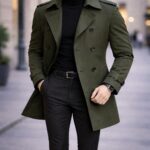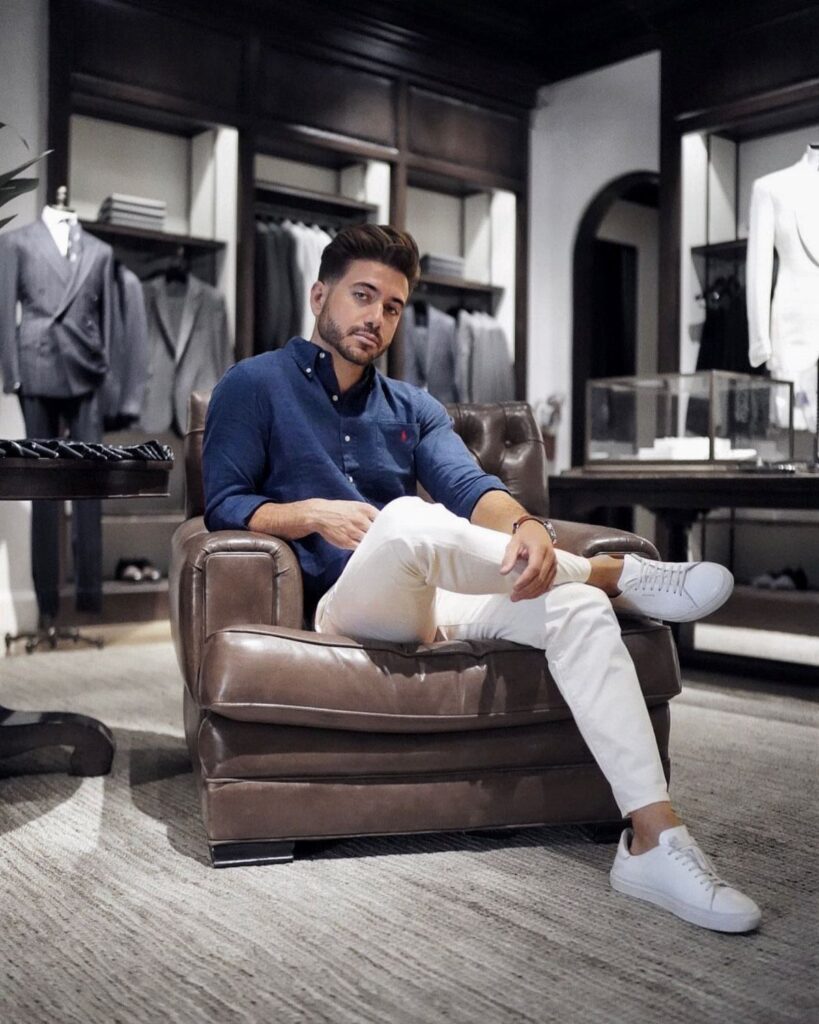
Weather decides which of these ideas you wear, because suede lace-ups fail in rain, while a denim jacket or a chore coat doesn’t care.
Spring ideas here range from a single grab-on-the-way-out layer like a denim jacket or chore coat to a full pinstripe blazer with white trousers, and the light-colored pieces ask for more care than the dark ones.
Check the forecast first, then pick the idea that fits the day you actually have.
1. Knit Polos
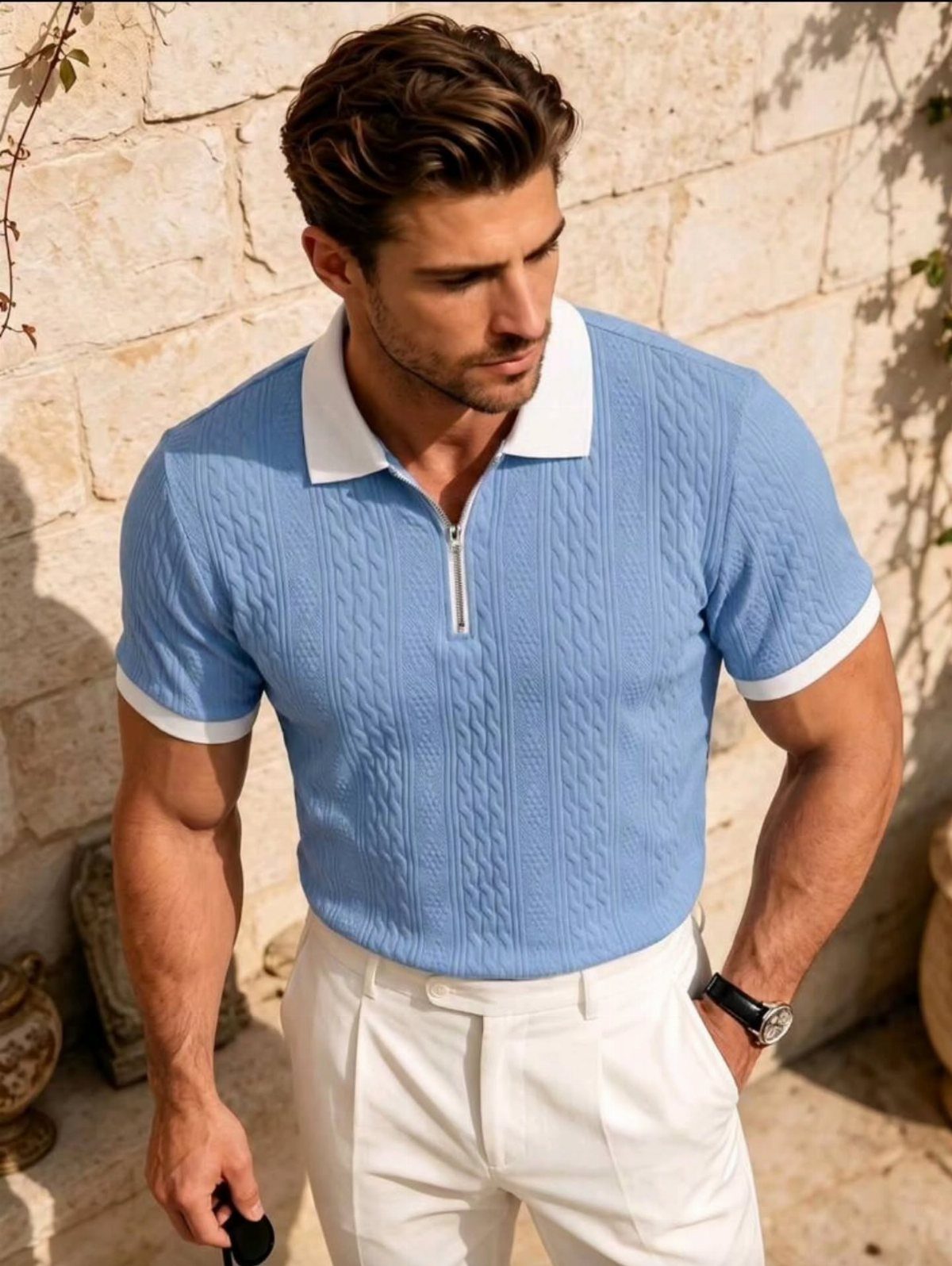
A zip-front knit polo in pale blue does the job of a dress shirt without a collar button or an iron. White trousers keep everything above them in one cool, light range, so the polo does the talking.
I’d pick the zip over buttons for a cleaner chest line. Keep the knit fitted through the shoulders so it doesn’t hang like a sweatshirt.
White trousers show everything, so a mid-tone shoe such as tan or grey is easier to live with than a bright one.
2. Denim Jacket
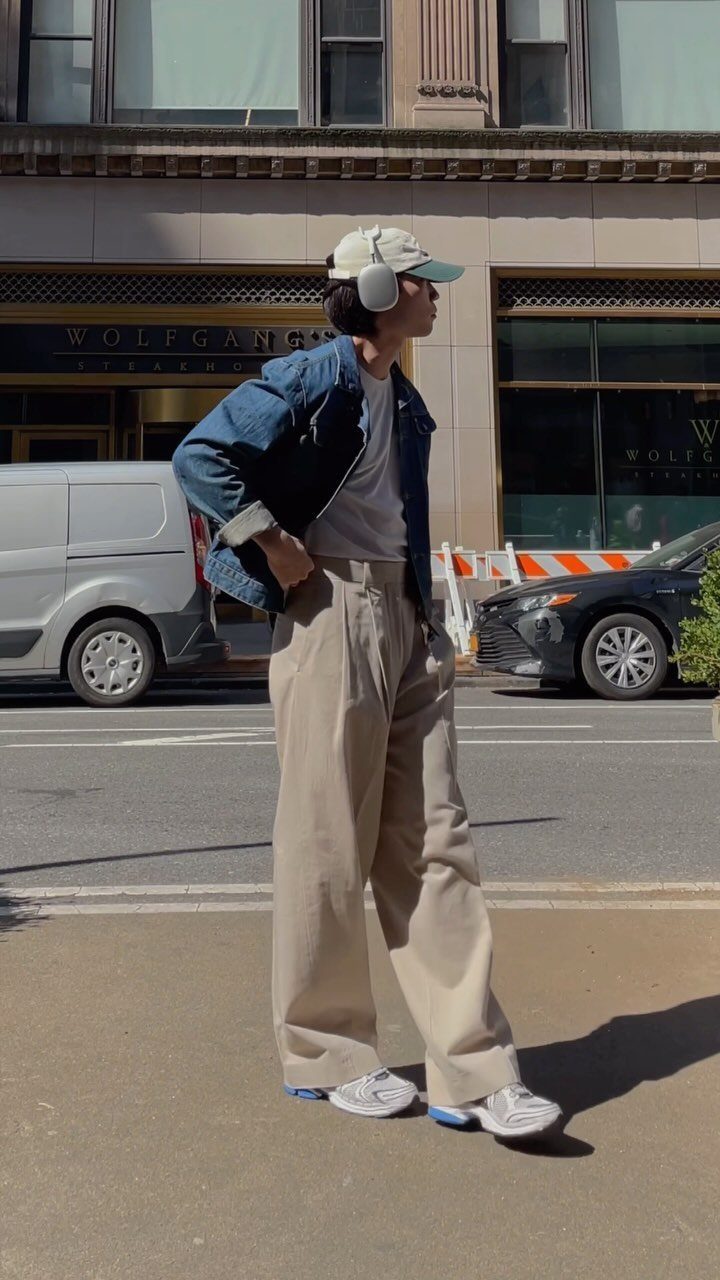
Denim jackets are easy to wear because the work is already done: a mid-blue wash, a white tee underneath, and you have a finished top half.
Choose a jacket that stops at your belt line. Longer than the hip and a denim jacket makes your legs look shorter, especially over a wide trouser.
Medium blue is the safest wash; it works with nearly every neutral.
3. Lightweight Sneakers
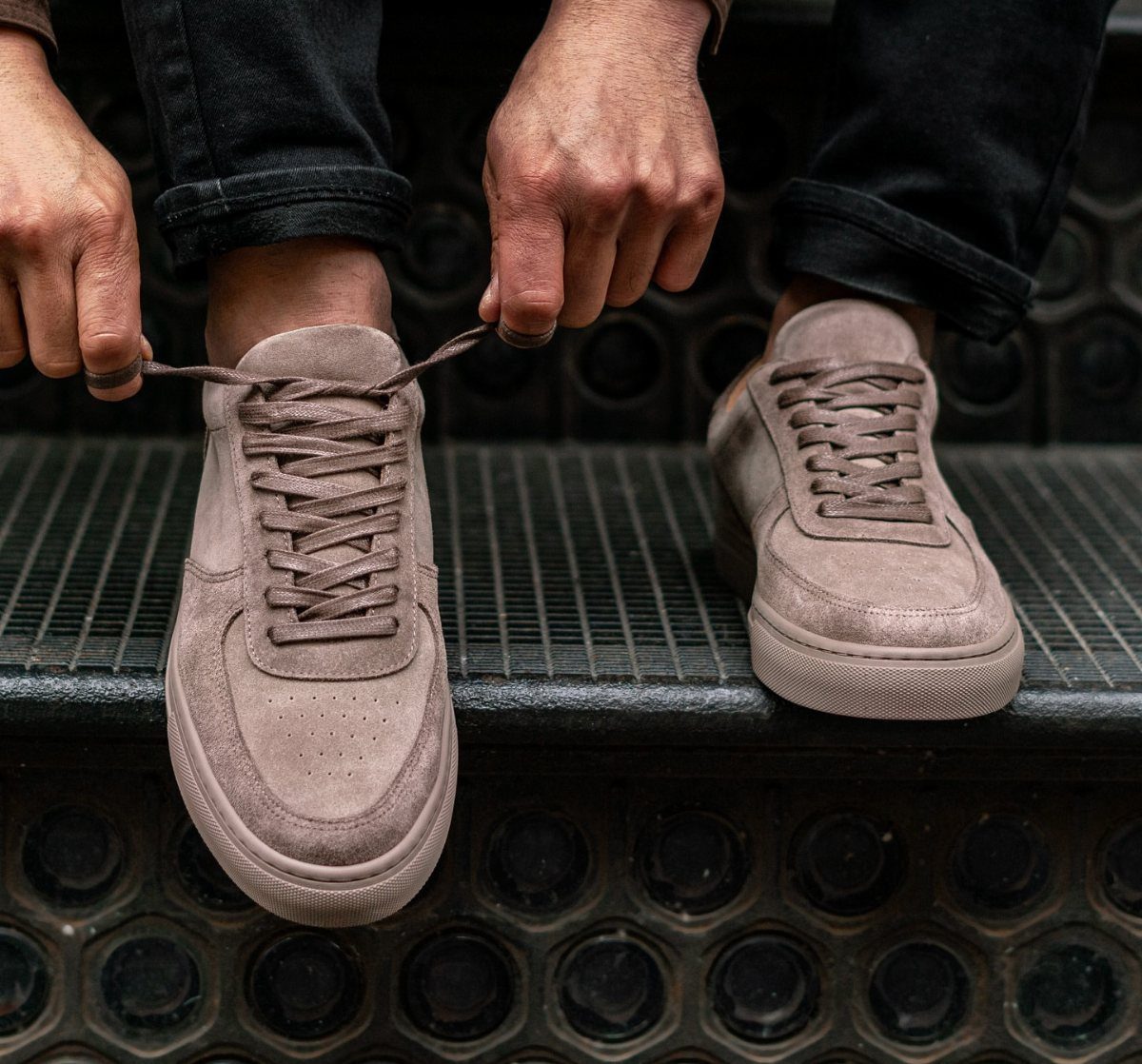
Suede sneakers in a muted color, like mauve, read as a considered choice instead of gym shoes. Against black jeans they stand out just enough without needing anything else on the outfit to match.
I’d go slim in profile and low in the sole. Bulky runners fight with a slim pant.
Suede and rain don’t get along, and I’d say so plainly: on a wet spring day, wear something else.
4. Overshirts
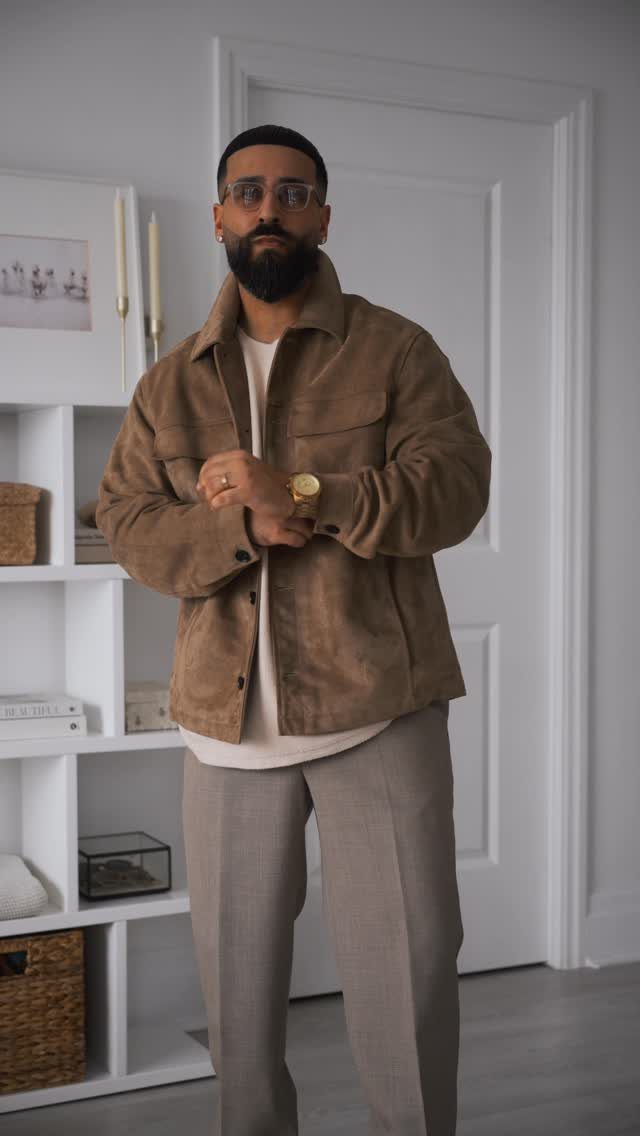
A suede overshirt in brown sits between a shirt and a jacket, so it handles a morning chill and an afternoon that warms up. Over a white tee with taupe trousers, it makes a tonal outfit that comes together fast.
Wear it open for most days. Buttoned, it works as a light jacket.
The cost is weather: suede is a poor match for rain, so check the forecast first.
5. Tailored Trousers
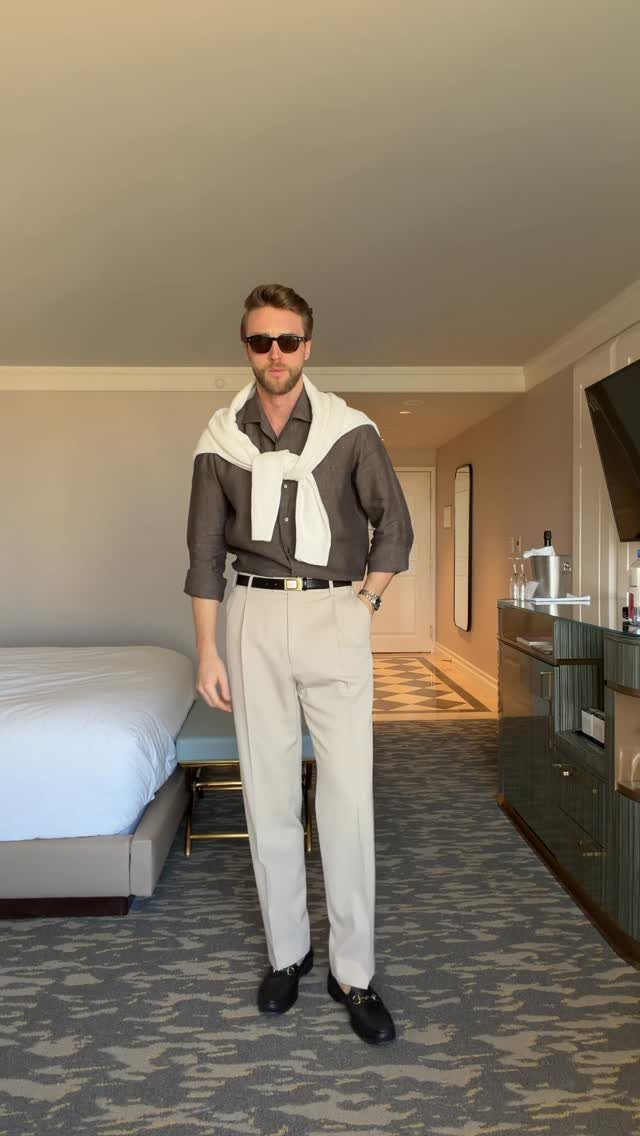
Cream tailored trousers carry an outfit on their own. With a grey shirt and a sweater slung over the shoulders, they look dressed up but not stiff, no jacket required.
Look for a straight leg with a clean break at the shoe. Too much fabric pooling at the ankle ruins the line.
Light colors show wrinkles and stains faster than navy or charcoal, and that’s the real cost. If you want something more forgiving, buy the same cut in a darker shade.
6. Chore Coats
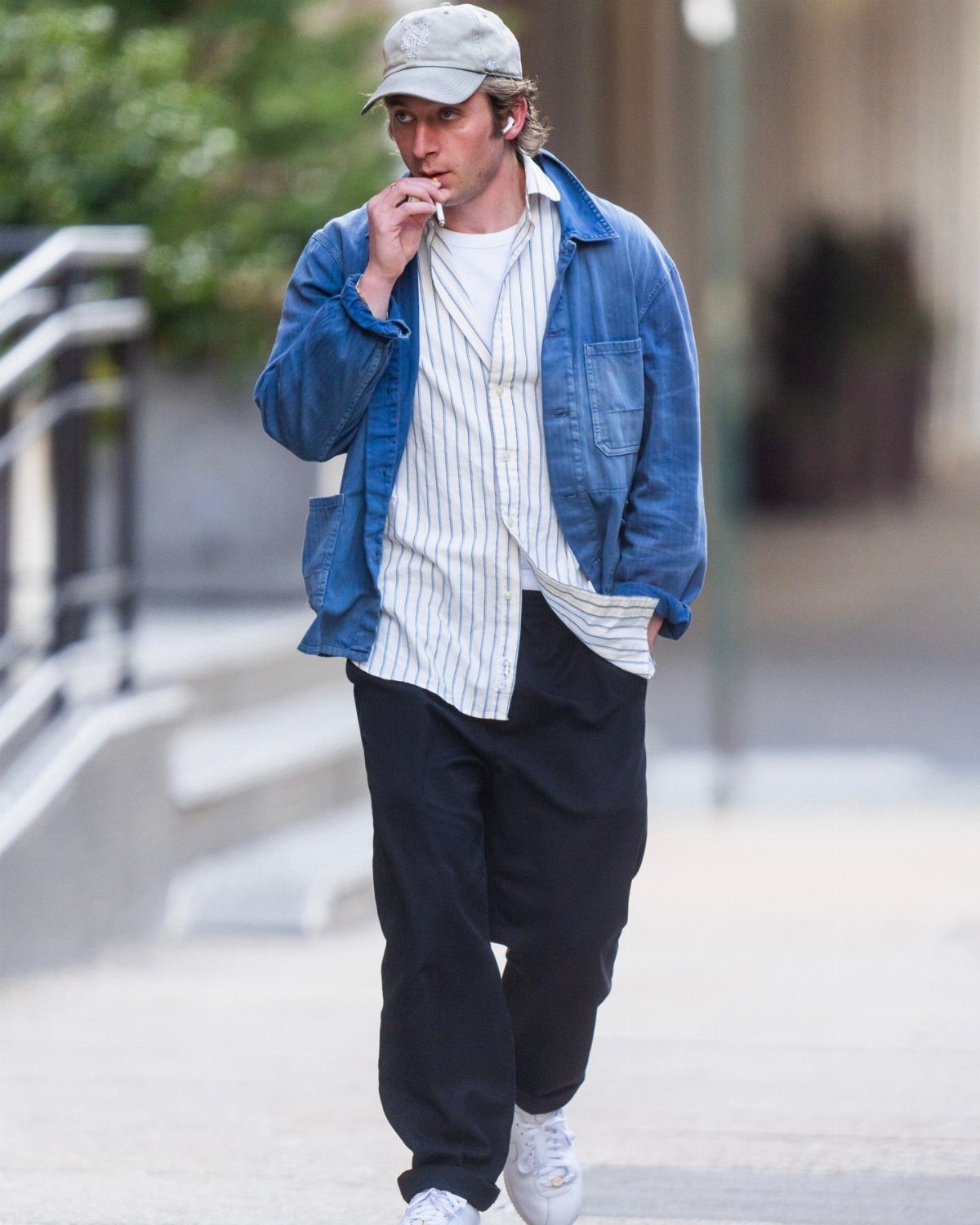
Wear a blue chore coat the way you’d wear a good cardigan: over almost anything. Its boxy shape and simple pockets suit a striped shirt and black trousers, and a cap finishes it for a walk around town.
I like it best as the one layer you grab on the way out the door. It’s built for utility, so it never looks like you tried too hard.
Because the cut runs straight and loose, size to your shoulders, not your chest.
7. Double-Breasted Trench Coat
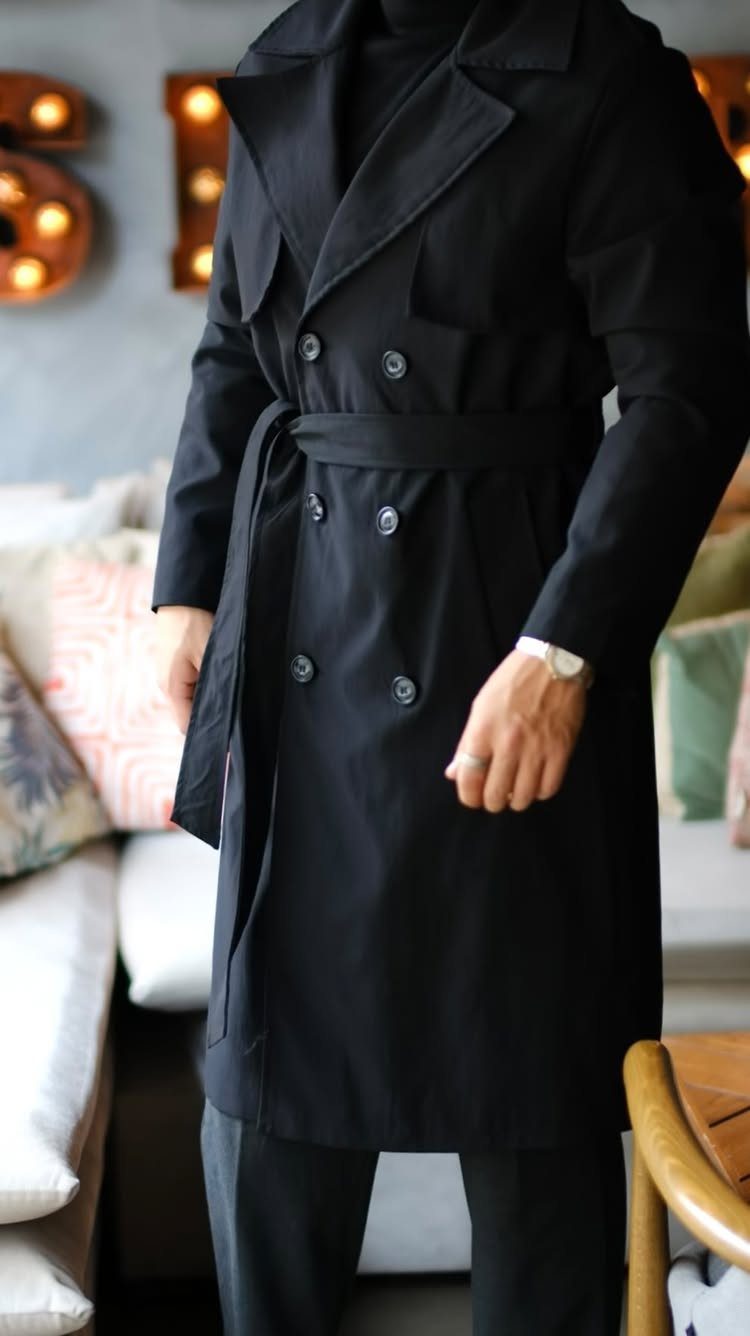
A black belted trench with black trousers reads as one long, unbroken line, and the double-breasted front adds structure without a single extra piece.
Cinch the belt at your natural waist so the coat doesn’t hang like a robe. I’d keep the collar down for daytime and let the belt do the shaping.
Head-to-toe black shows lint and dust, and a light spring day can feel warm in it. A lighter shade keeps cooler, but black is the easier one to dress up.
8. Pinstripe Blazer with White Trousers
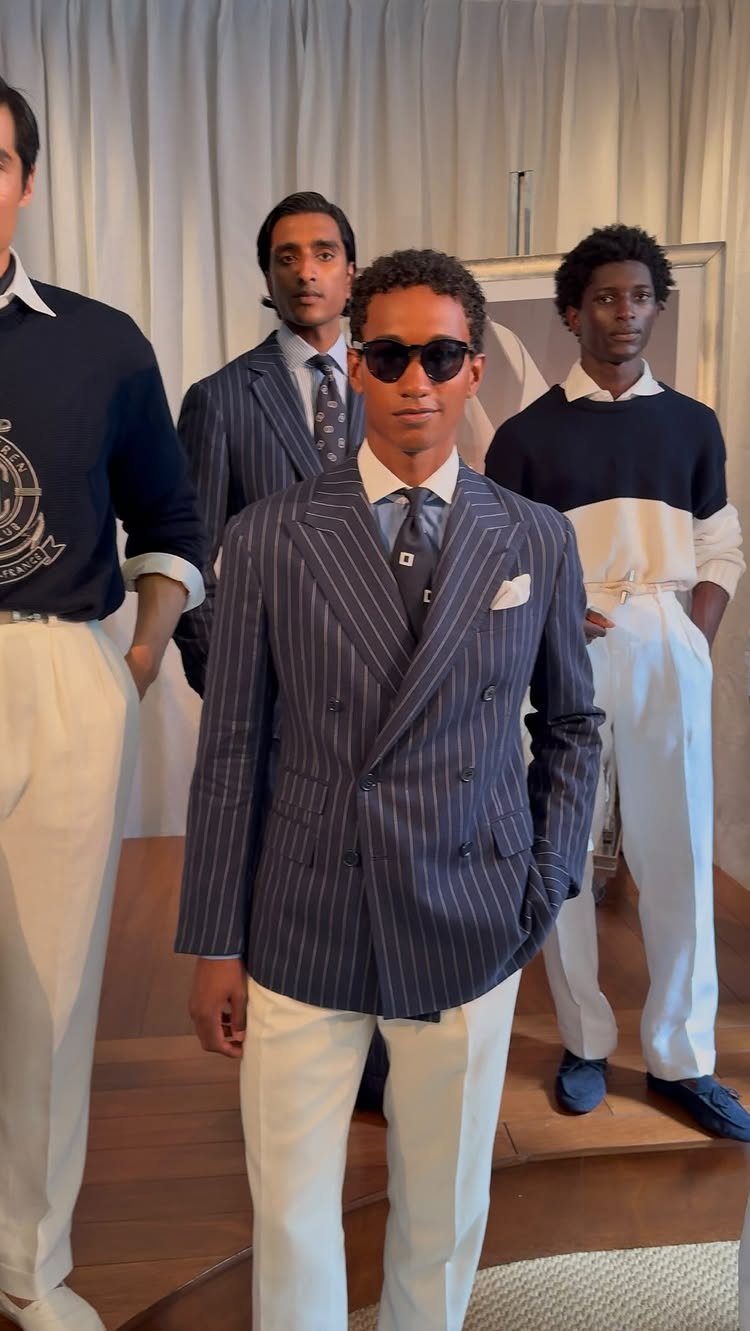
Navy pinstripes against white trousers give a double-breasted blazer a summery edge, since the white lightens a jacket that would otherwise feel heavy.
Keep the stripe fine and the fit close through the shoulders. A tie makes it formal, and sunglasses pull it back toward relaxed.
I’d wear it with the blazer buttoned, since the double-breasted front sits cleanest closed.
White trousers mark easily, so this is an outfit for events and dinners, not a commute on a wet day.
9. Suede Lace-Up Shoes
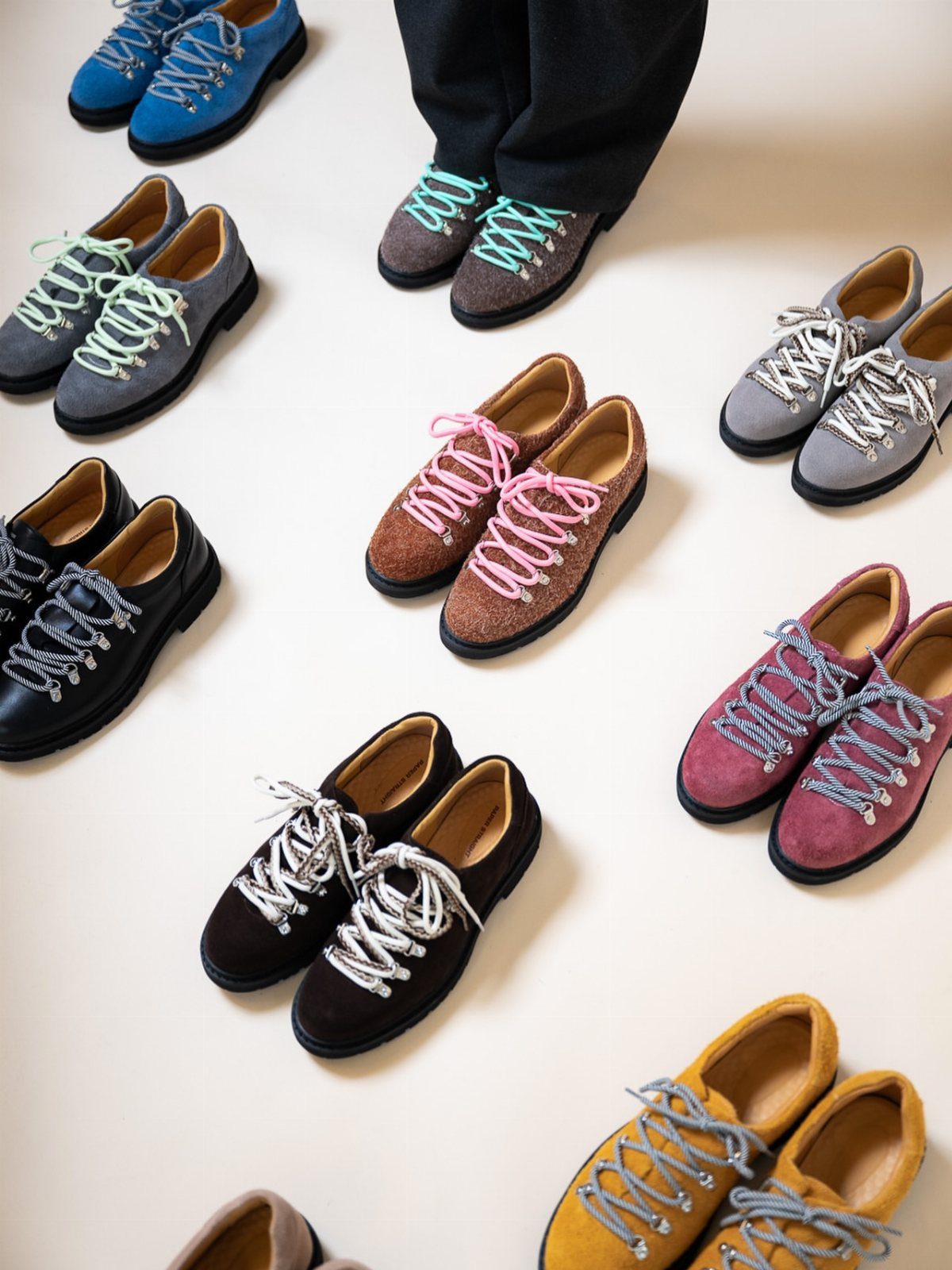
Suede lace-ups come in colors leather rarely gets, from muted tones to brights, and the soft nap makes them less stiff than a polished oxford.
Dark trousers are the easiest partner, because the shoe becomes the one interesting thing in the outfit. If you’re picking a first pair, I’d take a mid-tone over a bright one; it goes with more.
Suede dislikes rain, so a brush and a forecast check come with the purchase.
10. Linen Blazer with Tailored Pants
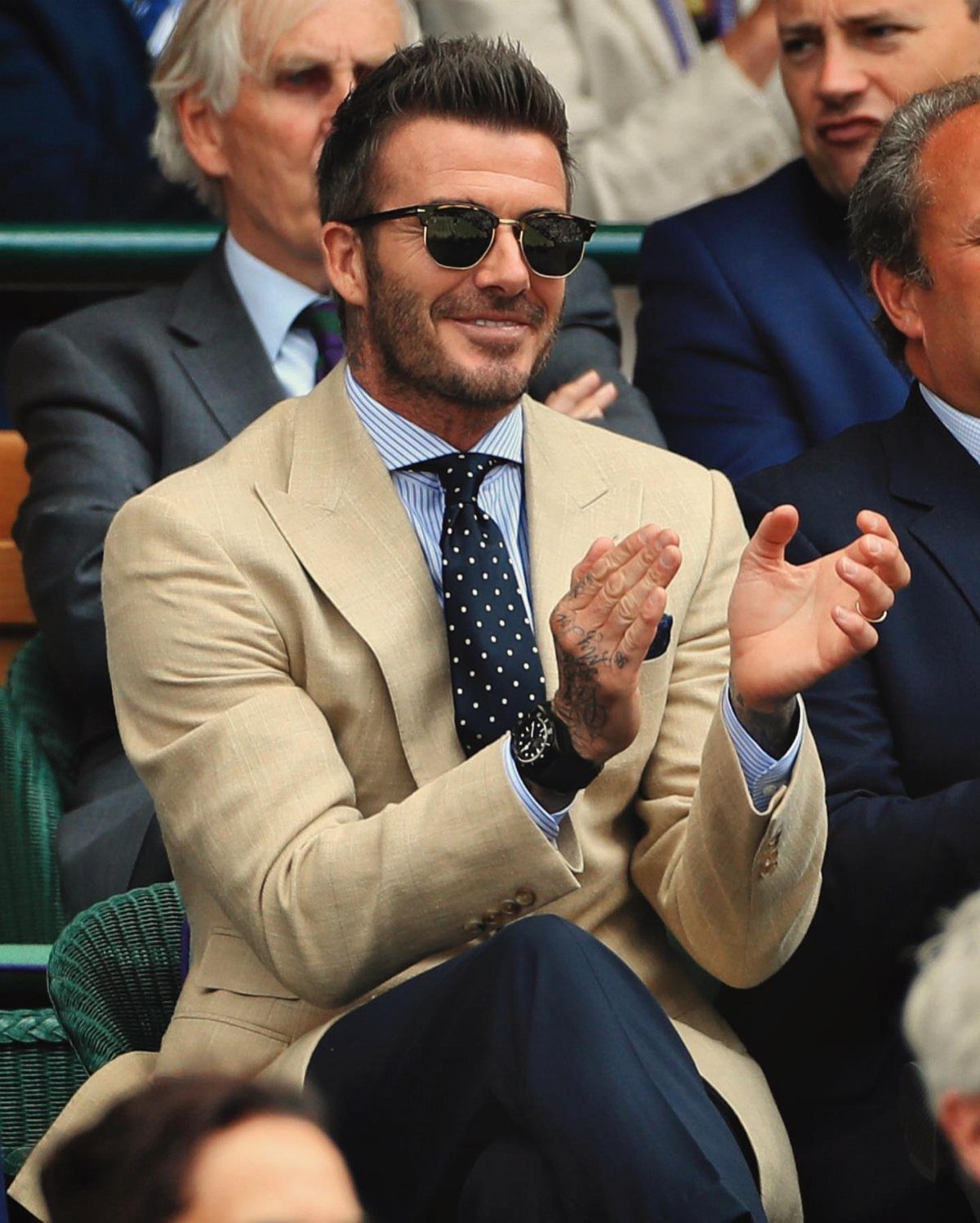
Tan linen carries a relaxed, slightly rumpled look that a wool blazer can’t, and that’s the appeal for warmer weather. Pair it with dark tailored trousers and a striped shirt, and the lighter jacket stands out against the darker base.
Linen wrinkles; accept that going in. A creased linen jacket looks right, and over-pressing it looks wrong.
I’d skip the tie for most days. A polka-dot one suits an occasion, but a plain open collar is easier.
11. Olive Utility Jacket
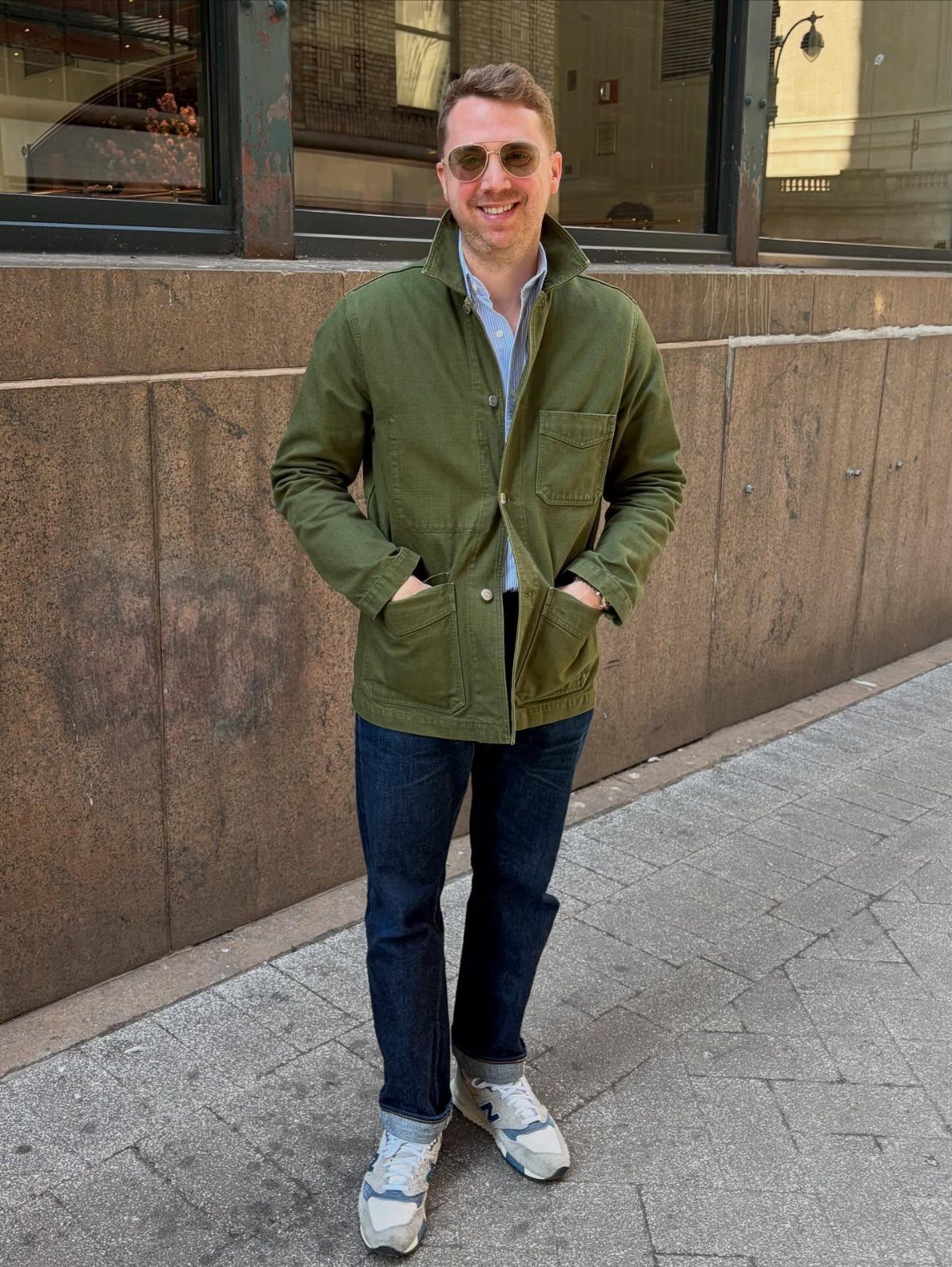
An olive utility jacket over a light blue shirt and dark jeans is a three-piece formula with almost nothing to get wrong: the green and blue sit calmly together, and the dark denim grounds them.
Pockets are the point here, so keep your phone and keys in them and the jacket stays shaped. Sneakers keep the look casual.
I’d button the shirt to the top only for work; for weekends, leave one or two open.
12. Denim Shirt with Olive Chinos
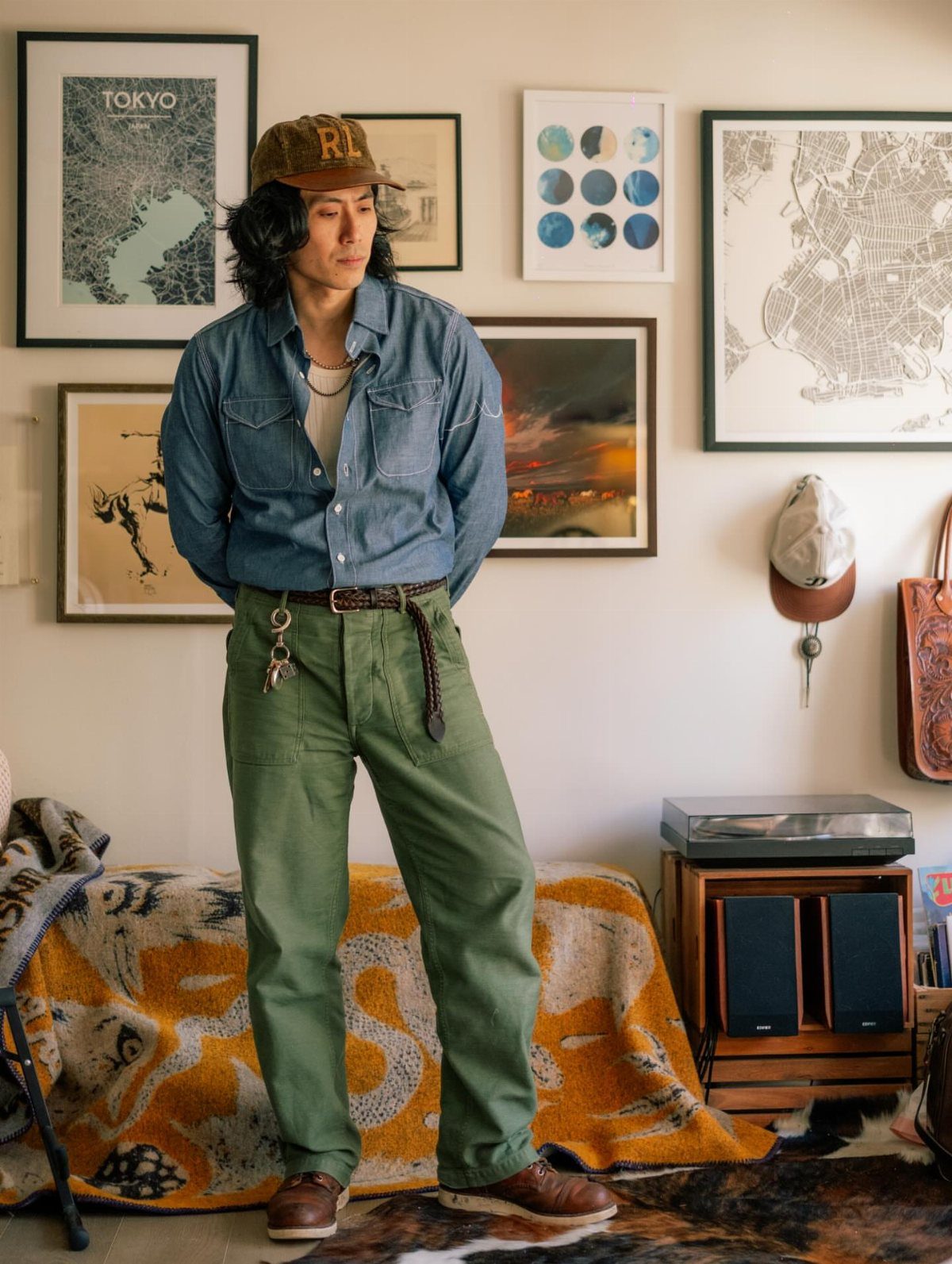
Tuck a blue denim shirt into olive trousers and you get a workwear pairing that looks deliberate. The tuck matters: left out, a denim shirt can look boxy against a slim pant.
Choose a wash that’s clearly different from the chinos, so the blue and green read as 2 colors. A brown cap picks up the earthy tone of the olive.
I’d add a belt in brown leather to finish the waist. It’s an easy outfit to repeat, which is the real benefit.
Layering Techniques
I start with something slim enough that it disappears under the next piece: a plain crew neck or a fitted long-sleeve in cotton.
Fitted matters because every layer on top sits on it, and a loose base bunches under the sleeves.
Then I add a layer I can pull off when the sun hits: an unbuttoned overshirt, a lightweight cardigan, or a cotton zip-up.
When carrying a second layer sounds like a pain, I’ll wear a short-sleeve polo over a long-sleeve thermal in white or heather gray. Roll or push up the sleeves as the day warms, and pull them down when it cools.
Color affects comfort more than most men expect. The darkest color goes in whichever layer comes off first, since dark fabric holds more heat than light.
Keep every layer thin. Three light pieces give you more control than one heavy one.
Fit and Comfort
Slim or relaxed both work. Baggy is the one to avoid, because a shirt or trouser with too much fabric reads as sloppy no matter how good the color is.
A trim polo or oxford, flat-front chinos in tan or navy, and brown leather penny loafers cover most situations without a second thought. Fitted basics feel easy because nothing pulls or hangs.
Fabric decides comfort as much as cut.
Structured cotton and linen hold up better than cheap polyester blends, which trap sweat and wrinkle into permanent creases after a few washes. The gap shows more as you get older, so spend on fabric before you spend on trends.
Skip the loud stuff, like neon and hot pink. Neutral colors in a good fit look natural and need no effort.
Color Coordination
Build the outfit on neutrals: navy, gray, tan, cream, white. These go together without thought, so you can’t really get the base wrong.
Then add one accent color and stop.
A single pale blue, muted green, or soft mauve piece gives the eye somewhere to land. 2 accents start competing.
Put the accent where you want attention: a shirt near your face, or shoes if you’d rather be subtle.
To check for clashing, look at the outfit from a few feet away.
If two colors are equally loud, change one. Tones in the same family, like tan and brown, are safe; 2 strong colors from opposite sides of the wheel usually are not.
Frequently Asked Questions
What is the fashion for spring?
Spring dressing runs on light layers in a neutral base of navy, gray, tan, cream and white, with one accent color on top. Think a fitted tee or long-sleeve under an unbuttoned overshirt, a denim jacket, or a linen blazer.
Cotton and linen let air through, and a thin top layer you can shed at 2 p.m. beats one heavy jacket you are stuck wearing.
What is the male fashion trend?
Right now the pull is toward relaxed but tidy pieces: suede overshirts, chore coats, tan linen blazers, cream tailored trousers and muted suede sneakers in colors like mauve. Most of these work in neutral tones, so they mix easily.
What spring outfit blunders should I avoid?
The biggest ones are baggy fits, loud colors like neon or hot pink, and two competing accent colors.
Cheap polyester blends are worth skipping too: they hold sweat and pick up creases that never fully wash out. Suede shoes and jackets on a rainy day also go wrong, so check the forecast first.
How many colors should a spring outfit have?
Use neutrals for the base and add one accent, such as pale blue, muted green or soft mauve.
A second accent starts to compete with the first. Step back about 3 feet and look at the whole outfit; when two colors compete for attention, swap one out.