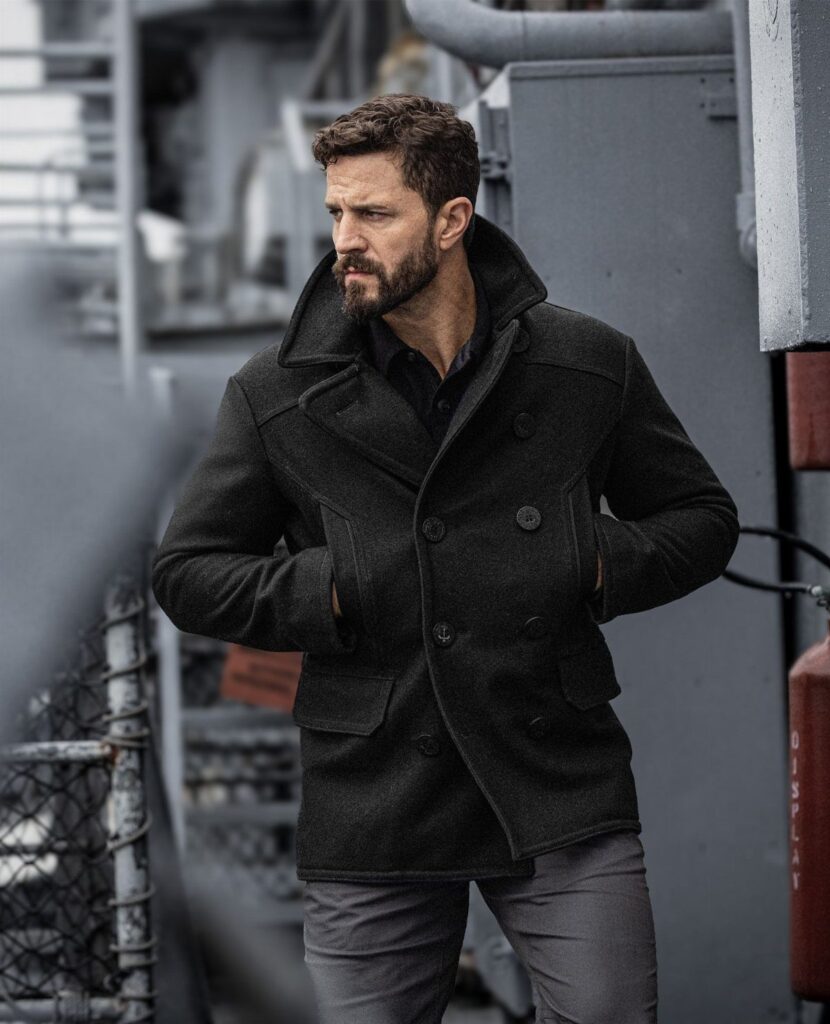
A peacoat or duffle coat goes over denim and workwear, while an overcoat cut to the knee sits over a suit.
A trucker jacket covers October, a parka handles January, and a shearling or puffer stands between them when the mercury drops below 20.
1. Peacoat
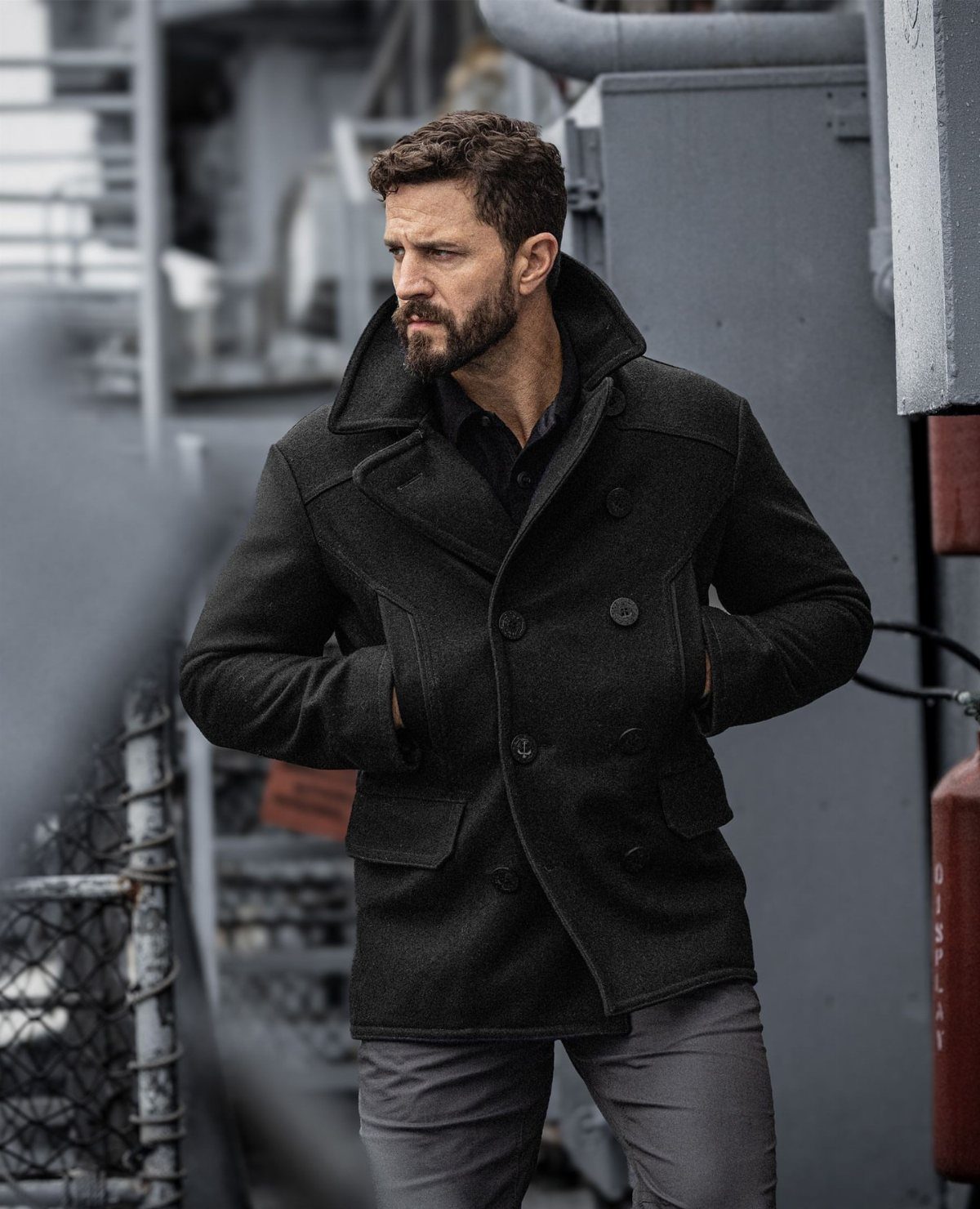
A peacoat is the coat I’d pick first for a man who owns one jacket and wants it to handle most of the season.
The double-breasted front and heavy wool give it a naval shape that sits well over a sweater, and dark grey is easy to pair with almost any trousers.
Keep the length near the hip or just below. Past that, it starts to read like a short overcoat and loses the compact look.
Slim men can wear it close to the body, while broader men should check that the shoulder seam sits at the bone and the front closes without pulling.
Its trade-off is formality: it works with jeans and boots better than with a suit.
2. Trench Coat
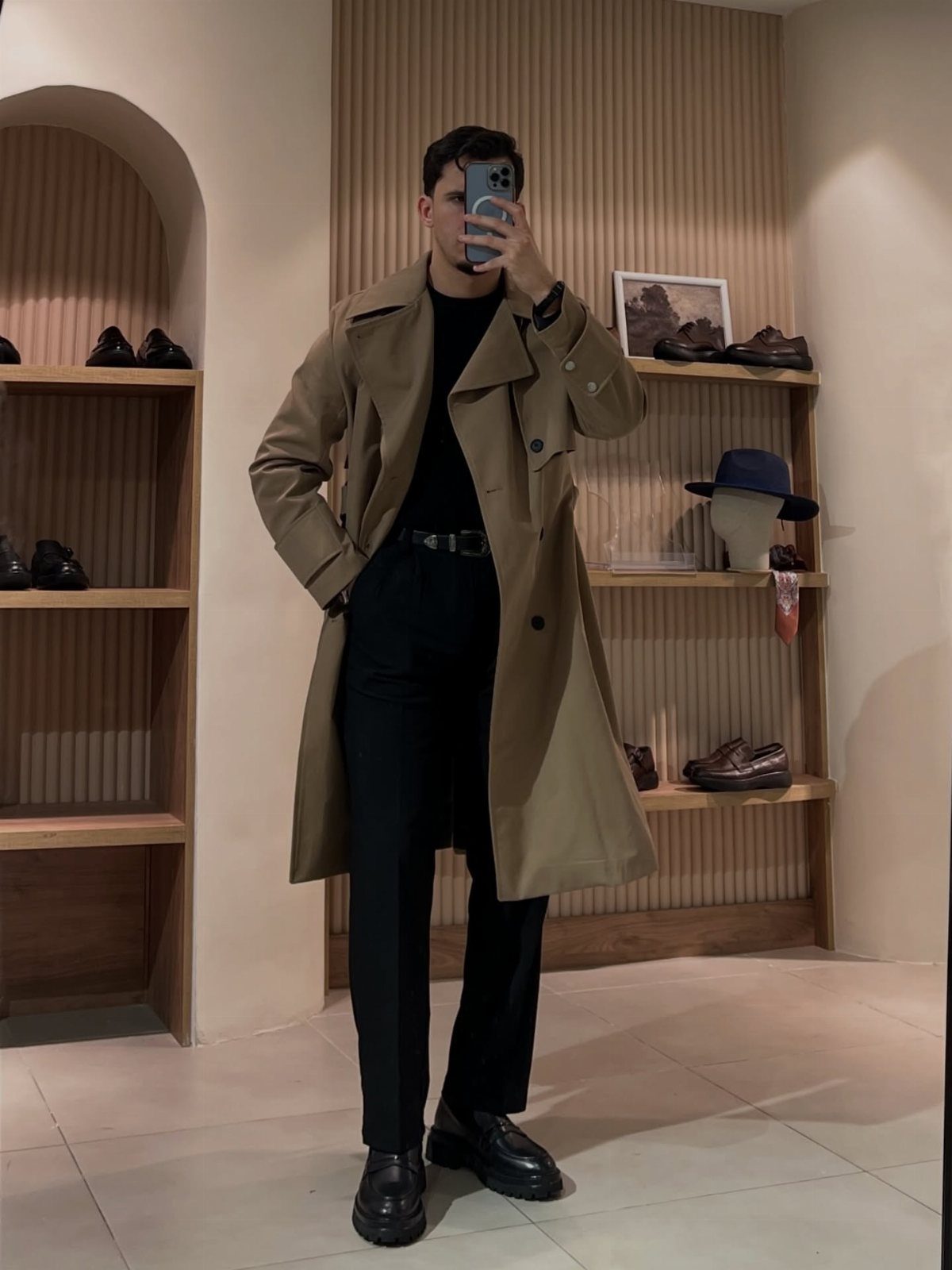
Tan is the color that makes a trench coat what it is, and it’s the one I’d buy first. It lifts black knitwear and black trousers out of plain territory without adding a single loud piece.
Belt it and the coat gains a waist, which flatters most builds. Leave it tied loosely at the back if you’re broad through the middle and want a straighter line.
A trench is a light layer, so it suits the stretch between the first cold snap and real winter. Under it, wear a sweater thick enough to carry the warmth, because the coat itself won’t.
Choose a length that lands around the knee for the classic look, or a little shorter if you’re under 5’8".
3. Parka
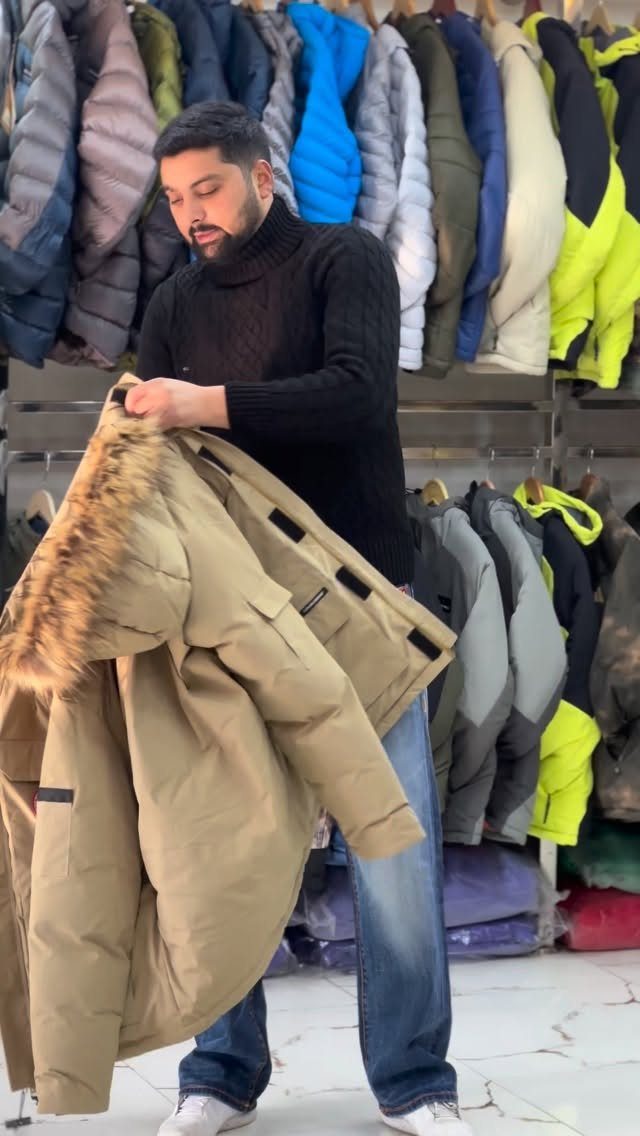
Built for the worst days, the parka is the coat I reach for when function matters more than polish. A hood trimmed with faux fur keeps wind off the face, and the long cut covers you well below the waist.
Try it on over the heaviest sweater you own, since a parka that fits only over a T-shirt will feel tight in January. Sleeves should reach the wrist bone with your arms raised.
Tan is a good pick because it looks cleaner than black with denim and boots. Know the cost: a parka is bulky, and it will look out of place with tailored trousers or at a dressy dinner.
4. Overcoat
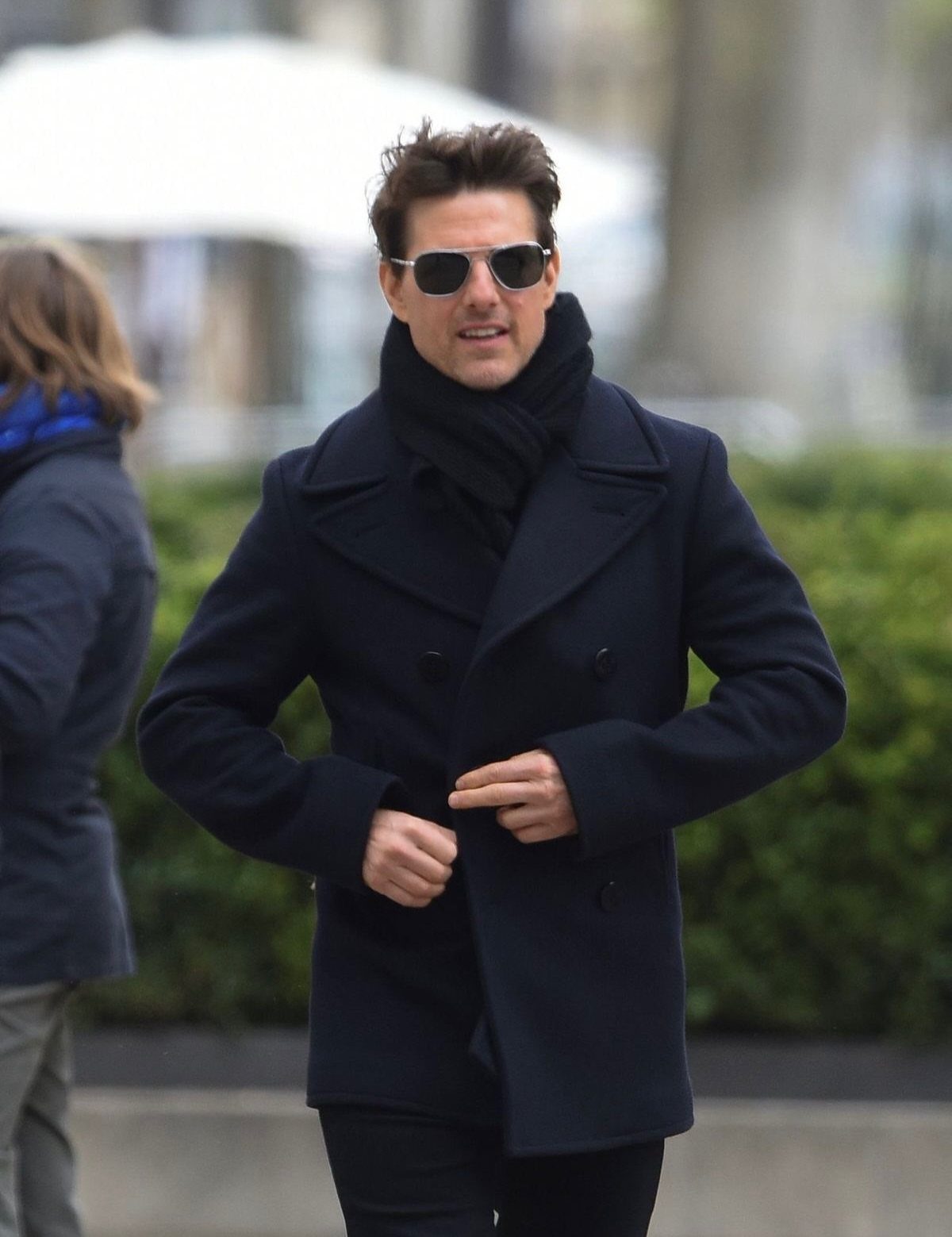
Over a suit, nothing else does the job an overcoat does. It’s cut longer and roomier than a jacket so the tailoring underneath stays smooth, and a navy double-breasted version carries real authority.
Fit it while wearing your suit jacket.
The shoulders should sit flat with no dimple, and the hem should fall around the knee. A scarf in a dark tone finishes the neckline and adds warmth where wool alone leaves a gap.
Navy is more flexible than black, since it pairs with grey, charcoal and brown. The limit is casual wear: with a hoodie and sneakers, a coat this formal looks borrowed.
5. Duffle Coat
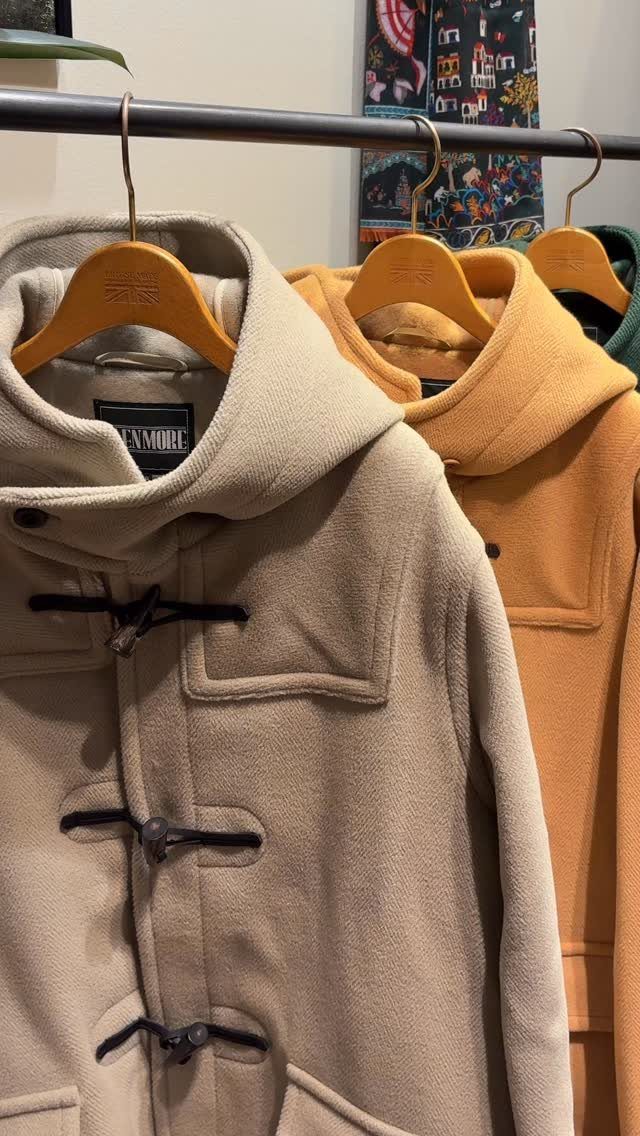
Toggle buttons give the duffle coat its identity, and they’re easier to work than they look: a loop and a peg, no buttonholes to fight with gloves on.
Wool makes it warm, and the hood adds cover without a bulky lining.
Beige is my first choice in this style, though mustard works if you want something that stands out more. It wears with navy, grey and dark denim, while mustard needs quieter pieces around it.
Check the hood lies flat when it’s down, because a stiff one bunches behind the neck.
A duffle suits weekends, campus and casual offices. Skip it with a full suit; the toggles read too relaxed.
6. Chore Coat
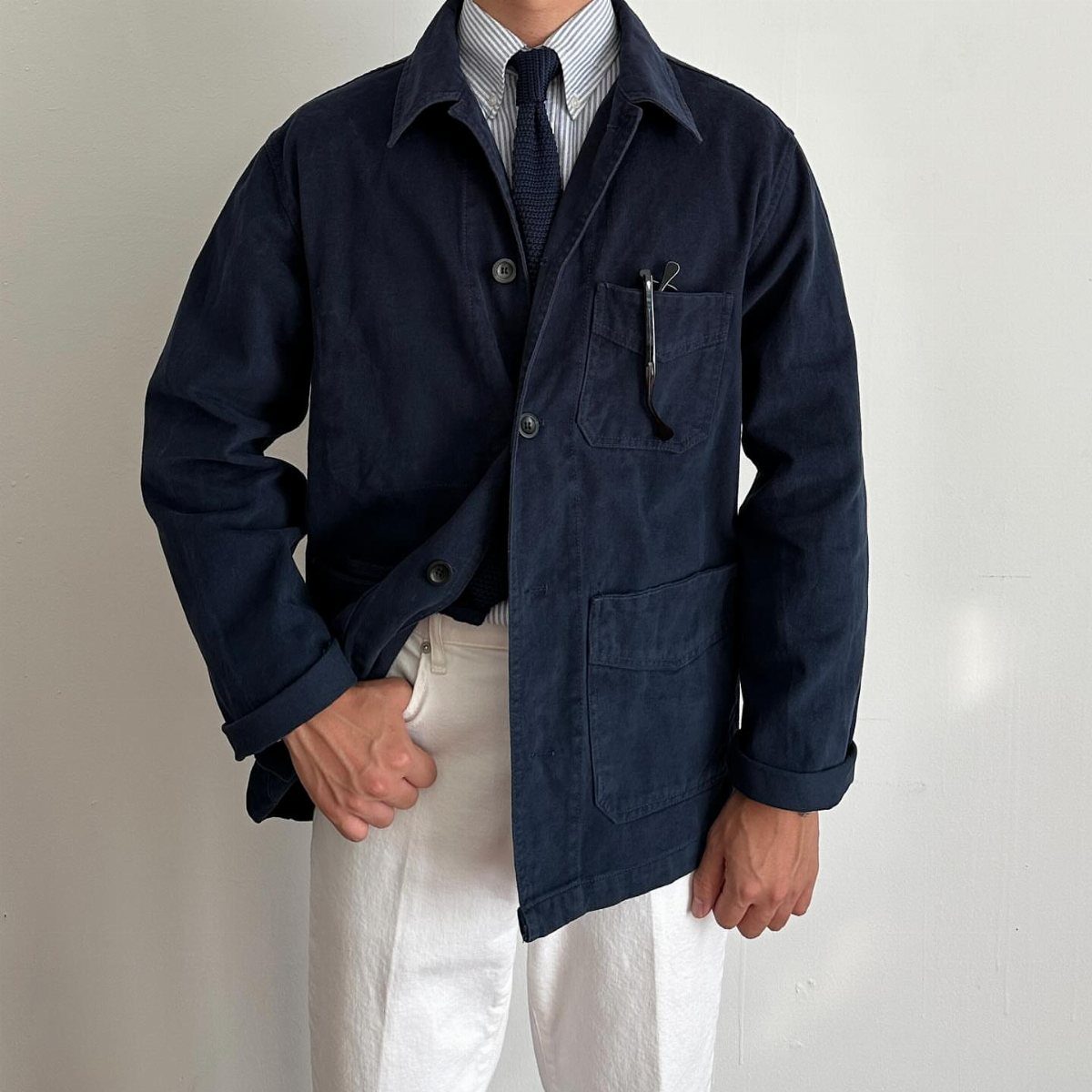
Workwear origins show in a chore coat: boxy body, patch pockets, a collar that stays low. Navy is the easiest color, and it moves between denim and dress trousers without a fuss.
Dressing it up is where it gets interesting.
Worn over a striped shirt and tie with white trousers, it turns a plain office outfit into something with a point of view. That’s my favorite way to wear it.
Get the size right across the shoulders, then let the body run loose; the cut is meant to be straight. It’s a mid-weight layer, so for deep winter you’ll need a warmer coat on top.
7. Shearling Coat
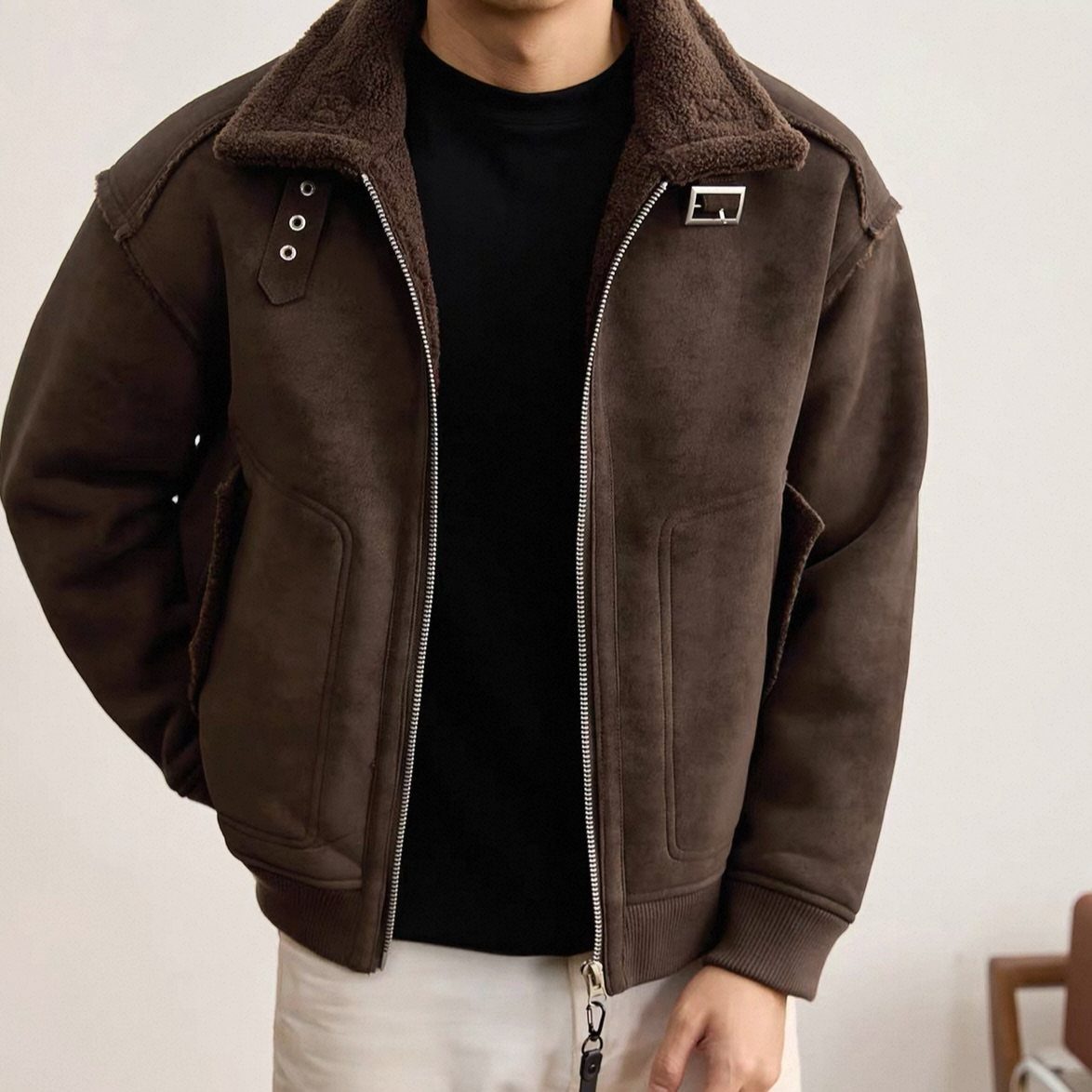
Shearling is sheepskin with the wool left on, and the brown suede outside with a wool collar is the version I’d choose. It reads rich without any extra effort, so a plain black tee and white trousers are enough underneath.
Keep everything else quiet. The coat is the loud piece, and a patterned scarf or busy knit would fight it.
Try it on with a sweater under it, since the coat should close easily over your winter layers.
Shearling costs more than most options here, and suede will mark in wet weather. That makes it a coat for dry, cold days rather than a daily beater.
8. Puffer Coat
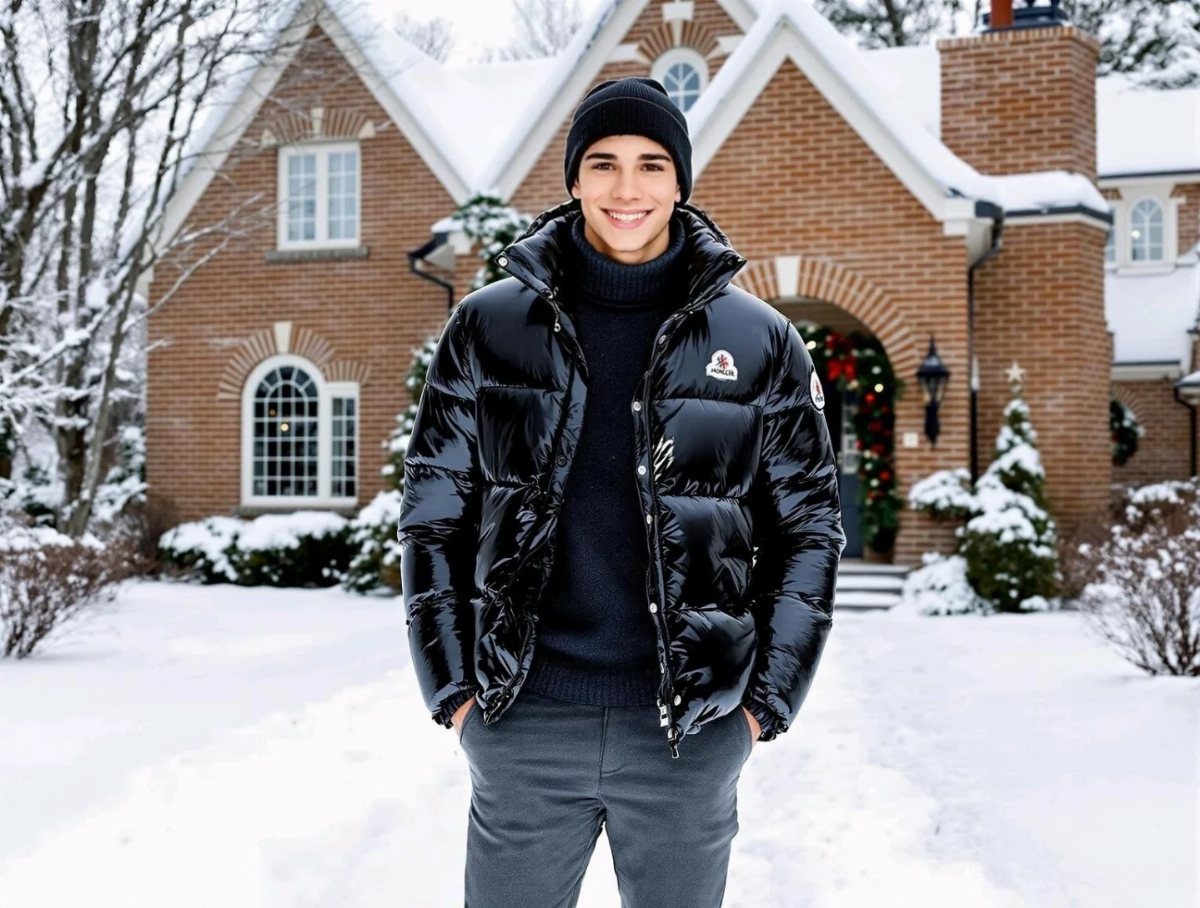
A glossy black puffer is the easiest warm coat to wear well, because the sheen does the styling for you.
Stick to one dark color family and let grey break it up. Add boots or clean sneakers, and the outfit holds together in snow or on a normal commute.
Buy it for the coldest weeks, when insulation matters more than shape. Check that the sleeves still reach your wrist when you lift your arms, and that the quilting doesn’t balloon at the hips if you’re broad.
The limit is formality. A puffer with tailored trousers looks mismatched, so save it for casual days.
Your coat is the star of your winter wardrobe. It’s the first thing people see when you arrive at the office, dinner, or wherever else life takes you.
9. Trucker Jacket
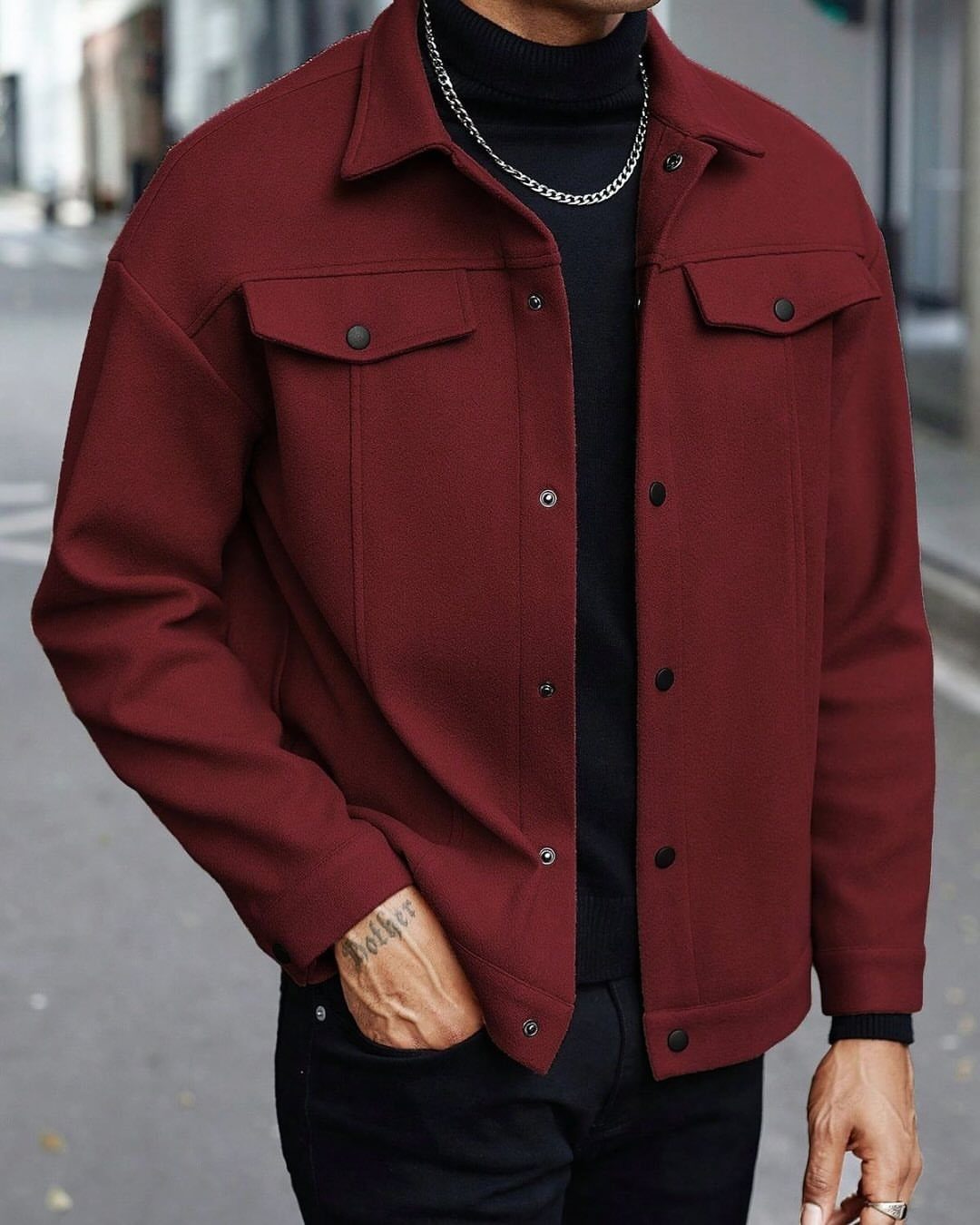
The trucker jacket remains one of the most reliable pieces you can own, and burgundy keeps it from looking ordinary.
The color adds warmth to an all-black outfit without breaking it up, so a black turtleneck and black trousers sit under it cleanly.
Keep the fit trim.
A trucker is cut short, so it should end at the waist and close without pulling across the chest. A silver chain is a good small addition, but one is plenty.
I’d choose it for fall evenings and dates where a coat would feel like too much. It’s a light layer, so in real winter you’ll want something heavier over it.
Choosing the Right Fit
Anything that pulls across the back when you reach forward is too small, and anything that leaves a gap at the collar or hangs off the shoulders is too big.
Get your chest, waist and sleeve measured, then either buy to those numbers or bring the coat in for alterations. Coats are often one of the pricier pieces you own, so a small alteration is cheap insurance.
Body shape should set the length. A coat that drops below your knee will make you look shorter if you’re under average height; stop it above the knee instead.
Material Considerations
Wool costs more than most fabrics and outlasts them.
It’s warm, moisture-resistant and flame-retardant. A wool blend, with rayon for example, costs less, but check the wool percentage: more wool means more warmth.
Nylon sheds rain better than anything else at its price.
Gore-Tex and similar proprietary fabrics also work for business casual outerwear. Quilted linings add warmth without changing the shell.
Then check the construction.
Sealed seams keep wind from cutting through, and a collar that can be worn up protects your neck. Check the stitching for loose threads or lining showing through the seams.
Seasonal Variations
Match the weight of the coat to the weather. Spring coats use light, breathable cloth; winter ones need weight and insulation.
The in-between stretches are where a topcoat earns its place. The window between seasons is when a single jacket leaves you cold and an overcoat makes you sweat.
Traditionally a topcoat uses fabric of 18 oz. per yard or less, usually worn about knee high.
Today that’s usually a cotton gabardine trench. If winter stays above freezing where you live, one topcoat might cover you until March.
Frequently Asked Questions
What are different types of coats called?
The main ones are the peacoat, trench coat, parka, overcoat, duffle coat, chore coat, shearling coat, puffer coat and trucker jacket.
They split roughly by weight and formality: a trench and a chore coat are light layers, while a parka and a puffer are built for the coldest weeks.
An overcoat sits at the formal end, and a topcoat is its lighter, shorter cousin.
What is the most versatile jacket for men?
The peacoat.
The double-breasted front works over layers, and charcoal or navy pairs with anything you already own. It handles jeans and boots better than a suit, so keep it for smart-casual outfits rather than formal ones.
Which type of coat is best?
It depends on the weather and the dress code, but wool is the best material to look for in a warm coat.
Wool costs more up front but holds up longer, keeps you warm, and sheds light rain. Nylon repels water at half the price of waxed cotton or treated wool.
What is the difference between a topcoat and an overcoat?
Topcoats use fabric at 18 oz. per yard or lighter and traditionally hit just above or at the knee. An overcoat is cut longer and roomier, with a hem near the knee, so the tailoring under it stays smooth.
You reach for a topcoat when fall turns cold enough that a jacket stops being enough but winter weight feels like too much.